
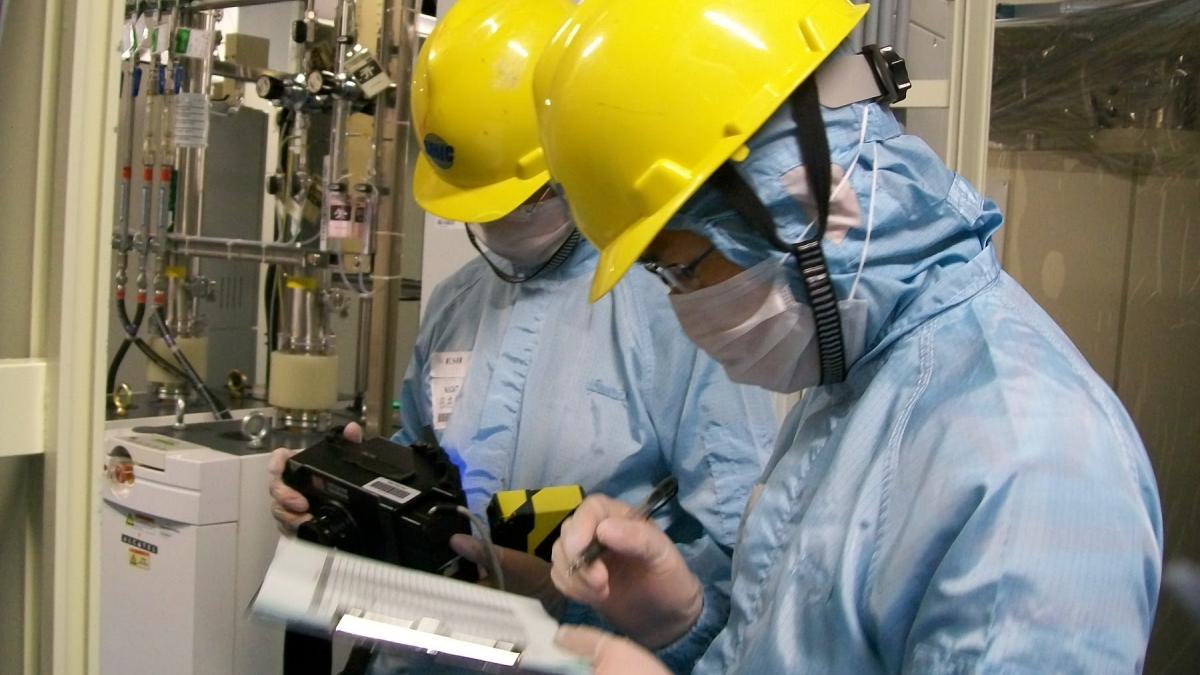
Indoor air quality (IAQ) is no longer just a facilities issue. It’s a workforce health priority. As we move through 2026, employers are increasingly recognizing how the air inside their buildings affects employee wellbeing, productivity, and long-term health outcomes.
At Health Science Associates, we work with organizations across industries to assess environmental conditions and protect employee health. Indoor air quality plays a critical role in everything from cognitive performance to respiratory wellness, making it a vital component of any modern workplace safety strategy.
Why Indoor Air Quality Matters More Than Ever
According to the U.S. Environmental Protection Agency (EPA), Americans spend approximately 90% of their time indoors, where pollutant levels can be two to five times higher than outdoor air.
Poor indoor air quality exposes employees to pollutants such as dust, mold spores, volatile organic compounds (VOCs), carbon monoxide, and airborne viruses.
Over time, these exposures may contribute to:
- Headaches and fatigue
- Respiratory irritation
- Worsened asthma symptoms
- Decreased concentration
For employers, this translates to higher absenteeism, lower productivity, and increased healthcare costs.
The Business Impact of Poor IAQ
The Centers for Disease Control and Prevention (CDC) emphasizes that workplace environmental conditions directly influence employee health and performance. Studies show that improved ventilation and air filtration can reduce respiratory symptoms and support cognitive function.
When indoor air quality is compromised, organizations may see:
- Increased sick days
- Higher turnover
- Reduced morale
- Lower job satisfaction
In 2026, employees are more informed and expect employers to prioritize health, including the quality of the air they breathe each day.
Key Factors That Affect Workplace Air Quality
Indoor air quality is influenced by a combination of building design, daily operations, and environmental conditions.
Ventilation systems
When ventilation is inadequate or systems are poorly maintained, pollutants such as dust, allergens, and chemical vapors recirculate throughout the building. Dirty filters, blocked air intakes, and outdated systems reduce fresh air exchange and allow contaminants to build up.
Building materials
Many common materials used in offices release volatile organic compounds (VOCs), including:
- Carpets
- Adhesives
- Paints
- Composite wood furniture
- Cleaning products
These chemicals can linger in the air and contribute to headaches, dizziness, and respiratory irritation.
Moisture and humidity
Excess humidity creates an ideal environment for mold and bacteria growth. Leaky pipes, roof issues, or poor drainage can introduce moisture that remains hidden behind walls or under flooring.
Occupant density
The number of people in a space directly affects carbon dioxide levels and airborne particle concentration. Crowded workspaces with limited airflow can quickly become stale, increasing fatigue and reducing cognitive performance.
Understanding these factors helps employers target improvements effectively.
How Employers Can Improve Indoor Air Quality
Improving IAQ doesn’t require a full building overhaul.
Practical steps include:
- Scheduling regular HVAC maintenance
- Upgrading air filters
- Monitoring humidity levels
- Increasing fresh air intake
- Conducting professional air quality assessments
At Health Science Associates, our industrial hygiene services help employers identify airborne hazards and implement evidence-based solutions tailored to their facilities.
We also offer comprehensive environmental testing services to measure contaminants such as mold, particulates, and chemical vapors so you can make informed decisions backed by data.
The Link Between IAQ and Productivity
Emerging research shows that cleaner indoor air improves concentration and decision-making.
Employees working in environments with better ventilation report:
- Improved focus
- Fewer headaches
- Higher energy levels
These performance gains benefit both staff and employers. In competitive industries, even small productivity improvements create meaningful business advantages.
Compliance & Employer Responsibility
Employers have a legal and ethical duty to provide a safe workplace. Occupational safety standards require employers to control airborne hazards that could harm employees.
Proactive IAQ management helps organizations:
- Meet regulatory expectations
- Reduce liability
- Demonstrate commitment to employee well-being
In 2026, environmental health programs are increasingly viewed as part of employer brand reputation and retention strategy.
Why Employers Partner With Health Science Associates
At Health Science Associates, we specialize in helping organizations protect employee health through science-based assessments and practical risk management strategies.
Our team:
- Evaluates indoor air conditions
- Identifies exposure risks
- Recommends corrective actions
- Provides documentation for compliance
We don’t just test. We help you understand what results mean and how to respond effectively.
Final Thoughts
Indoor air quality directly impacts workforce health, morale, and performance. As workplaces evolve in 2026, employers who prioritize environmental health will be better positioned to attract talent, reduce absenteeism, and foster productive teams.
Clean air isn’t a luxury. It’s a business necessity.
Ready to Improve Your Workplace Air Quality?
Contact Health Science Associates today to schedule a professional IAQ assessment and create a healthier environment for your employees.