
California adopted a significantly strengthened lead-exposure standard, one of the most consequential updates to occupational health regulation in the state in recent years. The updated standard lowers the permissible exposure limit for lead in the workplace, tightens the action level that triggers medical surveillance and enhanced protections, and expands the documentation and training requirements that covered employers must maintain.
For many California employers, particularly construction contractors, school districts managing older building stock, and industrial facilities that work with lead-containing materials, the compliance obligations under the new standard are more demanding than those under the previous rules, and the enforcement consequences for falling short are significant.
At Health Science Associates, we provide industrial hygiene consulting and lead compliance services to employers throughout Southern California.
Here is what you need to understand about the updated Cal/OSHA lead standard and what compliance looks like in practice.
The Core Changes: PEL and Action Level
The previous Cal/OSHA lead standard set the permissible exposure limit (the maximum allowable airborne lead concentration averaged over an eight-hour workday) at 50 micrograms per cubic meter of air. The action level, the concentration at which enhanced protective measures are triggered, was set at 30 micrograms per cubic meter.
The updated standard substantially lowers both of these thresholds. The new PEL is 10 micrograms per cubic meter, and the new action level is 2 micrograms per cubic meter.
These reductions reflect the current scientific understanding of lead’s health effects. Research over the past two decades has consistently found harmful effects at exposure levels previously considered acceptable, particularly with respect to neurological and cardiovascular outcomes.
According to the California Department of Industrial Relations, the updated lead standard applies broadly to general industry, construction, and shipyard employment, covering the vast majority of California employers whose workers may encounter lead-containing materials in any form.
Who Is Affected
The industries most significantly affected by the updated standard include construction contractors performing renovation, repair, and painting work in buildings constructed before 1978, where lead-based paint is presumed present unless testing demonstrates otherwise.
School districts that own and operate buildings from this era have particular exposure, both because of the age of their facilities and because of the heightened duty of care owed to workers and students in educational environments.
Industrial facilities that use lead in manufacturing processes, battery recyclers, shooting ranges, plumbing contractors working with older pipe systems, and automotive refinishing shops are all potentially covered employers who need to evaluate their compliance status under the new thresholds.
What Compliance Requires
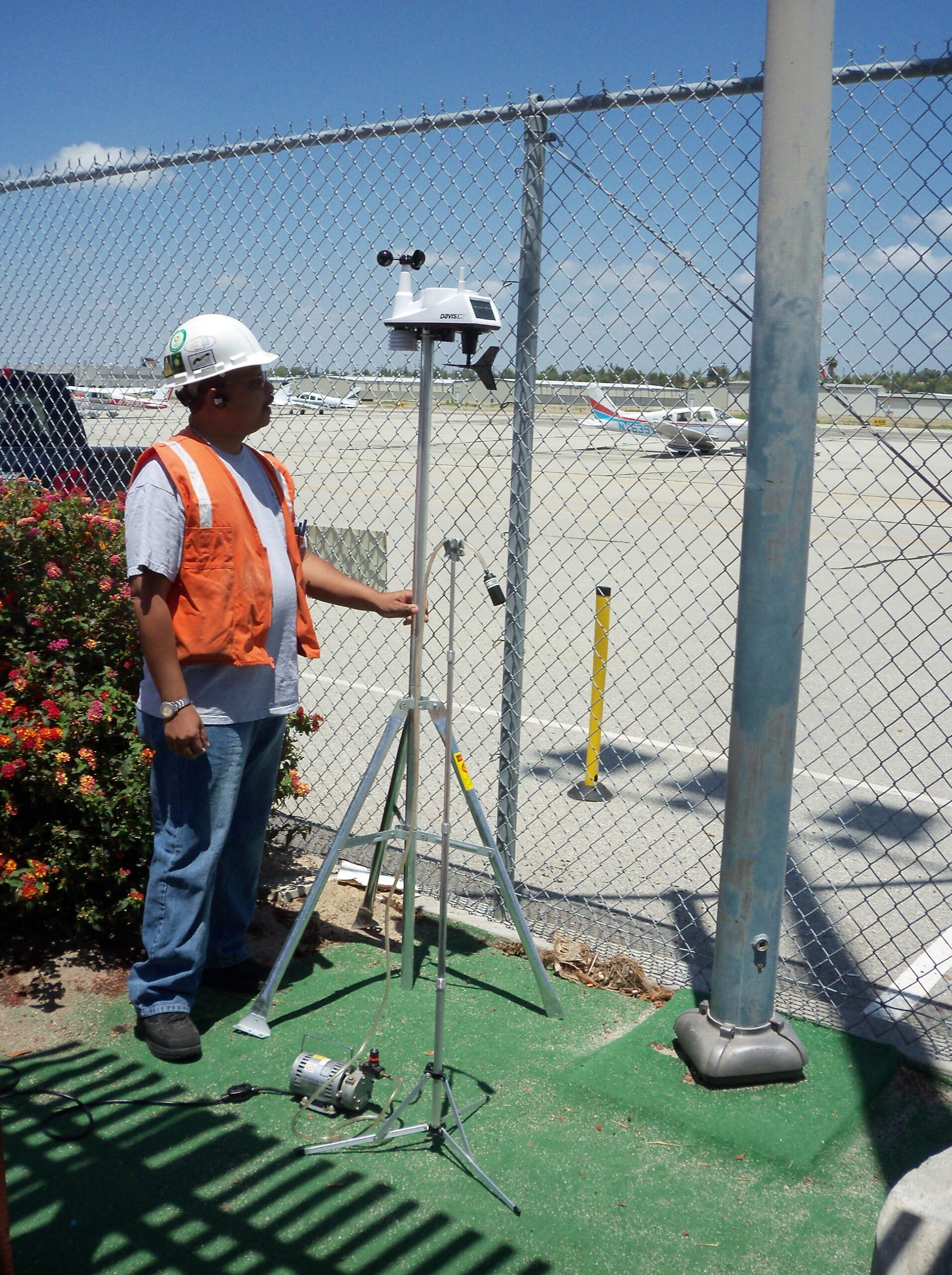
Compliance with the updated Cal/OSHA lead standard involves several interconnected obligations. Air monitoring is the foundation; employers must assess whether workers are exposed above the new action level of 2 micrograms per cubic meter, which is low enough that activities that produced exposures well below the old action level of 30 micrograms per cubic meter may now be above the threshold that triggers enhanced protections.
Initial exposure assessments using representative sampling must be conducted for any operations where lead exposure is reasonably anticipated.
Engineering controls (local exhaust ventilation, wet methods for dust suppression, and process enclosure) are the preferred method of controlling exposures below the PEL. Administrative controls, including job rotation and work practice modifications, are supplemental. Respiratory protection is the last line of defense and may be required where engineering controls cannot achieve compliance alone.
Medical surveillance (periodic blood lead level testing and medical examination) is required for workers whose exposures are at or above the action level for more than 30 days per year. The new lower thresholds mean that significantly more workers may qualify for medical surveillance than under the previous standard.
Employers must maintain medical surveillance records and exposure monitoring records for specified retention periods.
Training Requirements
All workers who are or may be exposed to lead above the action level must receive documented training on the health hazards of lead exposure, the methods used to control exposure, the purpose and limitations of personal protective equipment, and the medical surveillance program.
Training must be provided at the time of initial assignment and annually thereafter when exposure conditions are ongoing. Supervisors require additional training on their specific responsibilities for implementing and maintaining the compliance program.
Is Your Program Current?
If your existing lead compliance program was written to meet the previous Cal/OSHA thresholds, it needs to be updated. If you have not assessed your operations against the new 2 micrograms per cubic meter action level, that assessment is overdue.
Our industrial hygiene services at Health Science Associates include lead exposure assessments, compliance program development, air monitoring, and training that meets Cal/OSHA requirements under the updated standard.
Contact Health Science Associates today to schedule a compliance review.