
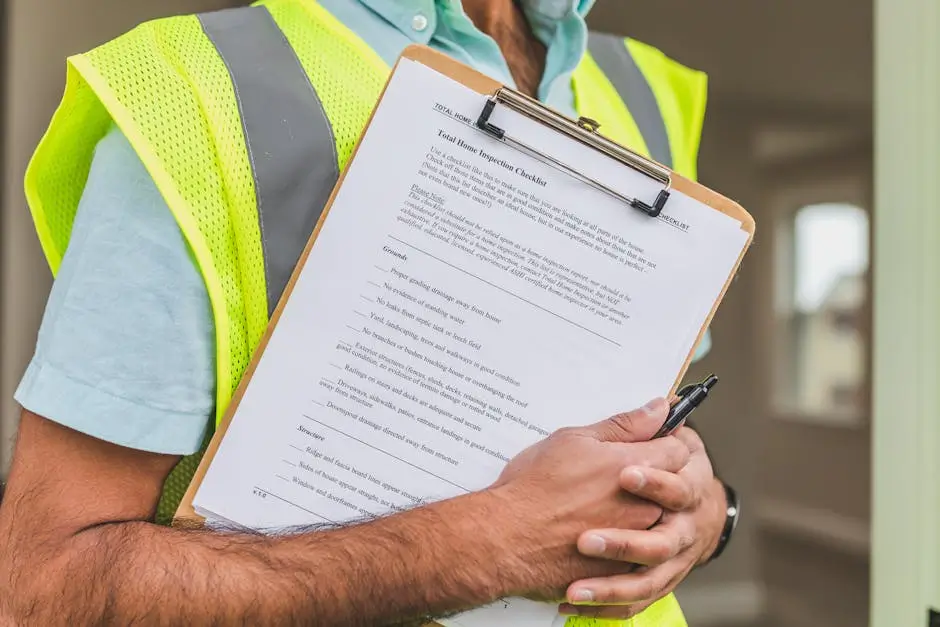
Southern California workplaces face unique air quality challenges, ranging from wildfire smoke to poorly ventilated indoor spaces. When OSHA inspectors arrive, they’ll be looking for proactive controls, documentation, and communication.
At Health Science Associates, we help employers meet these standards while protecting employee health and steering clear of costly violations.
This guide covers what to expect during an OSHA air quality inspection, what to have in place, and how to stay compliant in our region’s variable climate.
What OSHA Looks for in an Air Quality Inspection
OSHA’s Indoor Air Quality guide emphasizes a clear framework: identifying sources of contamination, assessing HVAC performance, and validating controls in real workplaces.
Inspectors will consider:
- Have you identified and documented indoor contaminant sources—like recent renovations, chemicals, or mold-prone areas?
- Does your ventilation system supply adequate fresh air and maintain temperature/humidity control?
- Do you routinely inspect and service HVAC equipment and filters?
- How do you follow up on employee complaints about odors, coughing, or stale air?
In short, OSHA wants to see clear evidence of an ongoing air quality management program—and that it works.
Wildfire Smoke: A Critical Southern California Concern
Wildfire smoke has become a seasonal hazard. Under Cal/OSHA rules, employers must monitor outdoor air quality and protect employees when the PM2.5 levels reach “Unhealthy” (AQI of 151 or higher).
This means:
- Tracking AQI daily via reliable sources like EPA’s AirNow
- Providing enclosed, filtered-air spaces during smoke events
- Issuing N95 respirators and training when exposure can’t be avoided
- Having a documented wildfire smoke response plan—complete with signage, communications, and training—is essential before inspectors arrive.
Documentation: The Heart of Compliance
OSHA inspections revolve around records.
You’ll need:
- A summary of your Indoor Air Quality (IAQ) program, identifying it as part of your Injury and Illness Prevention Program
- HVAC maintenance logs: filter changes, repairs, and airflow testing records
- Wildfire smoke action protocol with signed acknowledgments from employees
- Training records and receipt documentation for respirators (if used)
Absence of documentation, like filter logs or training proof, is often cited during inspections, even if conditions are acceptable.
Visible Measures Employers Should Implement
A successful OSHA inspection also relies on what inspectors can see:
- Clearly labelled fresh air intakes and exhaust vents
- Working HVAC units with clean intake and filter status panels
- Accessible detector systems (indoor PM monitors or CO2 sensors in dense spaces)
- Wildfire smoke signage and respirators stored in labeled containers
- Evidence of prompt response to complaints, like inspection notes or corrective work orders
These visible signs demonstrate to inspectors that your air quality efforts are systematic, not reactive.
Training and Employee Engagement
OSHA places high importance on workforce awareness.
People throughout the organization should know:
- How to report indoor air quality issues
- Why HVAC, filtration, and smoke protocols exist
- What PPE or work modifications are available during smoke episodes
Inspectors may interview employees, so ensure consistency between what’s written in policies and what employees understand and practice.
Preparing for the Inspection
Here’s how to get ready before OSHA arrives:
- Review past issues related to IAQ—complaints, HVAC breakdowns, respiratory reports.
- Audit your documentation—look for gaps in logs, missing signatures, or undated forms.
- Walk the workplace with your safety team and HVAC specialist to identify any hazards or controls that need upkeep.
- Train staff ahead of time—especially those in maintenance, facilities, and safety—on your air quality program.
- Draft a housekeeping profile of steps taken in past wildfire smoke events to manage IAQ and respirator use.
Your goal? Walk inspectors through a clear, prompt, and continuous IAQ program built for Southern California’s unique needs.
Post-Inspection: Keeping the Momentum
If OSHA leaves without issuing violations, it’s still wise to evaluate your performance:
- Clarify any verbal guidance they offered
- Apply feedback immediately—log updates, HVAC tune-ups, or worker reminders
- Share positive outcomes with employees—it boosts trust in your system
- Keep an eye on upcoming Cal/OSHA rule adjustments to preemptively adapt your program
Air quality compliance isn’t just about avoiding penalties—it builds employee trust and performance.
Final Thoughts: Proactive Management Pays
Preparing for an OSHA air-quality inspection isn’t phishing for perfection—it’s about ongoing care. Southern California workplaces face seasonal hazards, but with routine audits, documented procedures, and employee preparation, you position your organization as both compliant and caring.
If you’d like help building logs, training materials, contractor partnerships, or HVAC review support, Health Science Associates is here to help. We provide customized IAQ audits, wildfire smoke response models, and OSHA preparedness frameworks tailored to SoCal environments.
Ready to prepare and protect? Contact us today for a complimentary inspection readiness consultation.